



product description

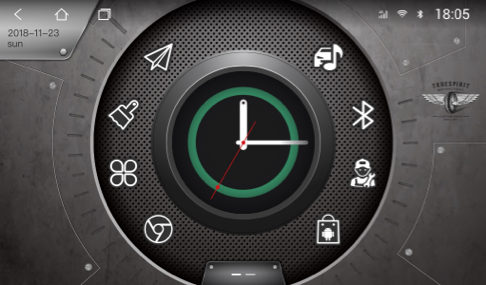
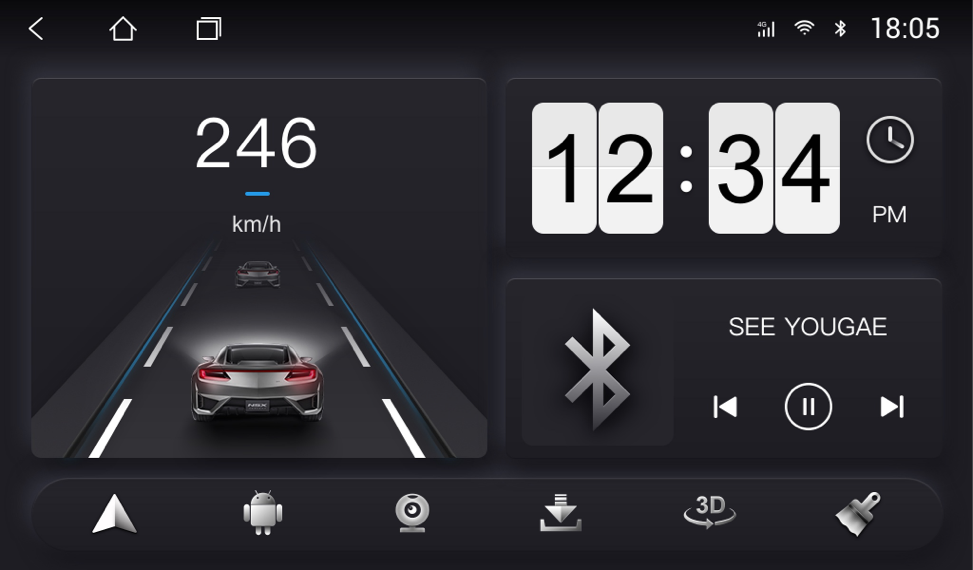
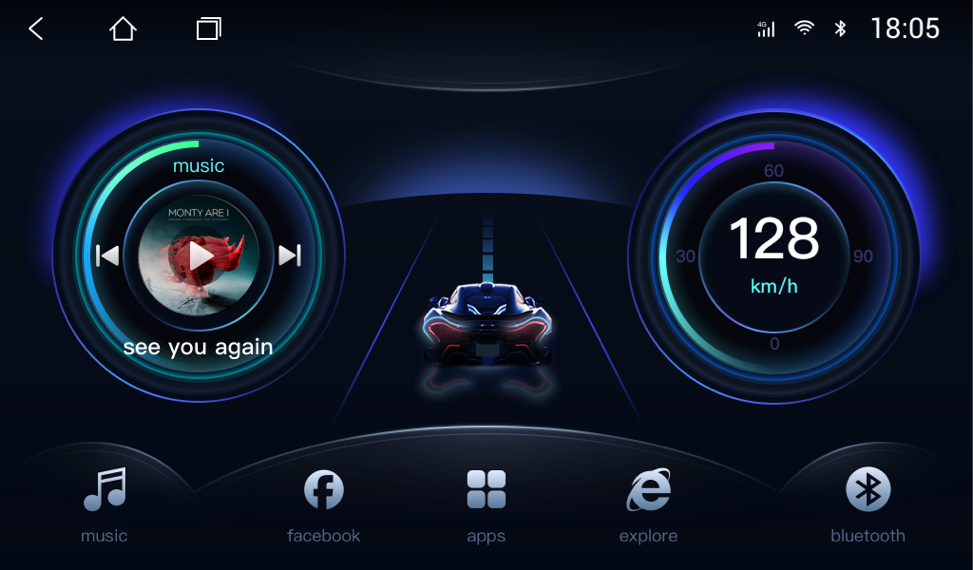
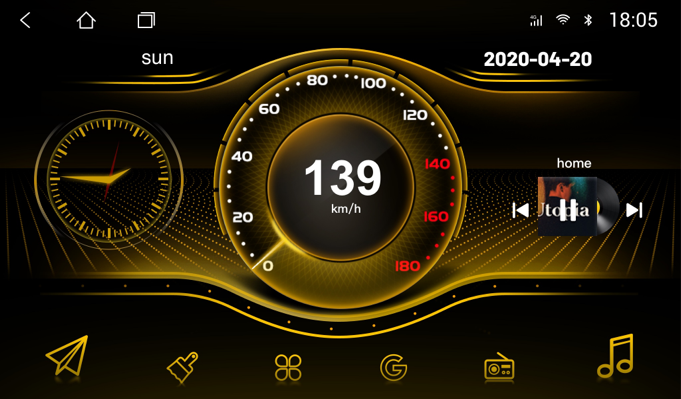
Not limited to a single theme framework, create 9 types of themes with different styles, there is always one that suits your taste!

Of course it's more than just looking good! When you drive on the road, you will find that the theme has rich dynamic effects, such as driving, instrumentation, ADAS, weather, etc., is it very interesting?

The shortcut icons on the desktop can be customized in style and function, and operate in the way you are used to!

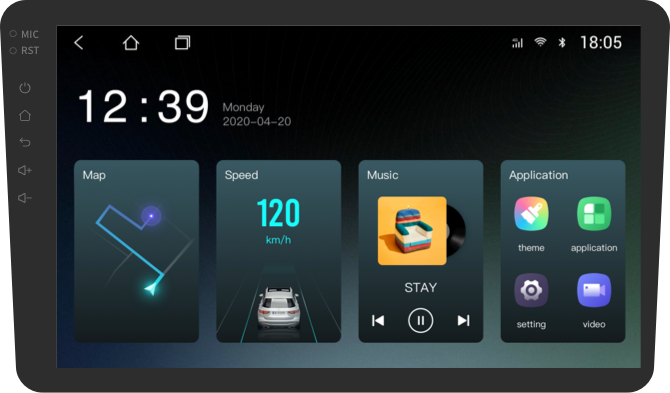
product description
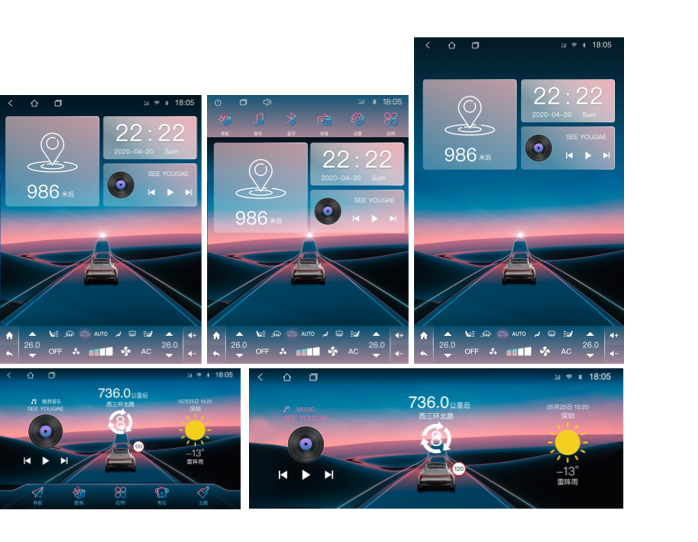
product description
Currently suitable resolutions are as follows:
Landscape contains: 1024x600、1024x768、1280x800、1280x480、2000x1200
Vertical screen includes: 768x1024、800x1280、1080x1920
If your car is different, it will use close resolution by default
Cars of Dingwei solution can use all the functions of the theme software, but some of the functions of cars of other solution providers are not available.

In addition to a single purchase, you can also


Engineers relied on the PCA Notes to interpret ambiguous provisions. For example, in slender wall design, the PCA Notes were used to determine the neutral axis depth parameter, (c), as (c = a / \beta_1), a method not explicitly stated in the code. Similarly, the Notes clarified methods for checking punching shear at corner columns and explained the historical origins of certain code requirements.
The is an indispensable asset for the structural engineering profession. By synthesizing complex theoretical changes into actionable design workflows, it ensures that concrete structures remain safe, economical, and compliant with modern standards. For any engineer looking to master the nuances of modern concrete design, utilizing the PCA Notes alongside the official ACI 318-19 code is highly recommended.
In this case, for a typical beam with common materials, the final numerical requirement does not change. The new code's value lies in providing a more consistent and clearly-defined framework for applying these minimum reinforcement checks in various design scenarios.
12x12 in column, 15 ft height, ( P_u = 250 , \textkips ), check slenderness. pca notes on aci 31819
Here’s a professional, informative post tailored for LinkedIn, a blog, or an engineering forum like Eng-Tips. It focuses on the — an essential resource for structural engineers.
While the ACI 318 code provides the "what" (the legal requirements), the PCA notes provide the "why" and the "how," offering in-depth explanations, illustrative examples, and design aids to facilitate the implementation of the code's complex requirements.
Provide concise Principal Component Analysis (PCA)–style notes summarizing and organizing key provisions of ACI 318-19 (Building Code Requirements for Structural Concrete) to help structural engineers review major concepts, requirements, and code references. These notes assume general familiarity with reinforced concrete design. Engineers relied on the PCA Notes to interpret
To appreciate the PCA Notes on ACI 318-19, you must understand the structural revolution of 2014. Before ACI 318-14, the code was a single, linear narrative (Chapters 1-22). You had to read everything to design anything.
This comprehensive guide explains the significance of the PCA Notes, highlights the major code changes, and provides practical insights for structural design. What are the PCA Notes on ACI 318-19?
First and foremost, the PCA Notes functions as the premier educational supplement for ACI 318. For engineering students and young professionals, the leap from mechanics of materials to the tangled provisions of reinforcement development, shear friction, or slenderness effects is daunting. The code presents final equations (e.g., for nominal flexural strength, ( M_n )), but the Notes reconstructs the derivations, assumptions, and limitations behind them. Its hallmark feature—the step-by-step worked example—transforms abstract clauses into tangible calculations. Consider the design of a slender reinforced concrete column in a sway frame. ACI 318-19 Chapter 6 presents the moment magnification method with a series of stiffness modifiers (( EI )) and stability indices (( Q )). The PCA Notes takes this dense logic and walks the reader through a real frame, calculating cracked section properties, checking sway vs. non-sway criteria, and iterating the magnified moments. Without such guided practice, the code remains a set of unapplied rules. The is an indispensable asset for the structural
Practical calculation tools for beam-column joints and anchoring to concrete. 4. The Value of Worked Examples
(Invoking related search suggestions per guidelines.) functions.RelatedSearchTerms("suggestions":["suggestion":"ACI 318-19 development length table","score":0.95,"suggestion":"ACI 318-19 phi factors table","score":0.9,"suggestion":"ACI 318-19 shear design Vc formula","score":0.9])
Designers can utilize specialized tools mentioned in PCA-related documentation to implement these updates:
Weekly update



Please contact us
In addition to these FAQs, if you have more questions, youcan join our community by Telegram: https://t.me/carmateapp