 |
|
   |
|
|
அகல் விளக்கு (www.agalvilakku.com) - தற்போதைய வெளியீடு :
திண்டுக்கல் பாதாள செம்பு முருகன் கோவில் |
சென்னை நெட்வொர்க் (www.chennainetwork.com) - தற்போதைய வெளியீடு :
காகம் (Crow) |
தேவிஸ் கார்னர் (www.deviscorner.com) - தற்போதைய வெளியீடு : அத்திப் பழம் - Fig |
தமிழ் திரை உலகம் (www.tamilthiraiulagam.com) - தற்போதைய வெளியீடு :
எண்ணி இருந்தது ஈடேற - அந்த 7 நாட்கள் (1981) |
Social media algorithms prioritize engagement over accuracy. When thousands of users simultaneously search for a specific phrase, platforms push related hashtags to their "Trending" or "For You" pages. This creates a feedback loop: increased visibility leads to more searches, which in turn generates more content, regardless of the video's legitimacy. The Rise of Spam and Scams
To break the cycle of harmful viral trends, social media users can adopt healthier digital habits:
To help me provide more tailored information, please let me know:
Sharing explicit content without the explicit consent of the person involved constitutes a criminal offense in many countries, punishable by fines and imprisonment.
When viral incidents touch specific diaspora or regional groups, the online commentary splits into several distinct cultural narratives. The discussions surrounding Punjabi-centric viral content highlight deep-seated tensions between traditional values and modern digital realities. Victim Blaming vs. Digital Rights Advocacy
The discussions surrounding these viral trends on platforms like X (formerly Twitter), Reddit, and Telegram generally split into three distinct categories: 1. Moral Policing and Cultural Preservation
High volumes of shares and comments, often fueled by curiosity or shock.
: Social media platforms have become significant spaces for discussions and the dissemination of information. When a video goes viral, it can spark widespread conversation, often leading to debates about morality, privacy, and the impact of such content on society. In the case of a "Punjabi horny girl viral video," the discussion might revolve around the implications of sharing and consuming such content, including concerns about consent, objectification, and the potential for harassment or bullying.
Due to strict moderation on mainstream platforms like Instagram and Facebook, unverified or explicit links are frequently diverted to private Telegram channels or anonymous Reddit communities.
The incident you're referring to involves a viral video that apparently features a young Punjabi woman, and it has sparked significant discussion on social media platforms. The video in question seems to have been shared without the consent of the individual involved, leading to widespread debate and concern regarding issues of privacy, consent, and the role of social media in handling such sensitive content.
Viral videos often start as entertainment or artistic expressions. They gain traction through social media platforms like Instagram, Twitter, and Facebook, where users share, comment, and react to the content.
It is common for "viral" tags to be used as clickbait for phishing links or unrelated content, leading to warnings within the community to avoid suspicious URLs.
வீடியோ வெளியீடுகள் |
|
Social media algorithms prioritize engagement over accuracy. When thousands of users simultaneously search for a specific phrase, platforms push related hashtags to their "Trending" or "For You" pages. This creates a feedback loop: increased visibility leads to more searches, which in turn generates more content, regardless of the video's legitimacy. The Rise of Spam and Scams
To break the cycle of harmful viral trends, social media users can adopt healthier digital habits:
To help me provide more tailored information, please let me know:
Sharing explicit content without the explicit consent of the person involved constitutes a criminal offense in many countries, punishable by fines and imprisonment. Social media algorithms prioritize engagement over accuracy
When viral incidents touch specific diaspora or regional groups, the online commentary splits into several distinct cultural narratives. The discussions surrounding Punjabi-centric viral content highlight deep-seated tensions between traditional values and modern digital realities. Victim Blaming vs. Digital Rights Advocacy
The discussions surrounding these viral trends on platforms like X (formerly Twitter), Reddit, and Telegram generally split into three distinct categories: 1. Moral Policing and Cultural Preservation
High volumes of shares and comments, often fueled by curiosity or shock. The Rise of Spam and Scams To break
: Social media platforms have become significant spaces for discussions and the dissemination of information. When a video goes viral, it can spark widespread conversation, often leading to debates about morality, privacy, and the impact of such content on society. In the case of a "Punjabi horny girl viral video," the discussion might revolve around the implications of sharing and consuming such content, including concerns about consent, objectification, and the potential for harassment or bullying.
Due to strict moderation on mainstream platforms like Instagram and Facebook, unverified or explicit links are frequently diverted to private Telegram channels or anonymous Reddit communities.
The incident you're referring to involves a viral video that apparently features a young Punjabi woman, and it has sparked significant discussion on social media platforms. The video in question seems to have been shared without the consent of the individual involved, leading to widespread debate and concern regarding issues of privacy, consent, and the role of social media in handling such sensitive content. Victim Blaming vs
Viral videos often start as entertainment or artistic expressions. They gain traction through social media platforms like Instagram, Twitter, and Facebook, where users share, comment, and react to the content.
It is common for "viral" tags to be used as clickbait for phishing links or unrelated content, leading to warnings within the community to avoid suspicious URLs.
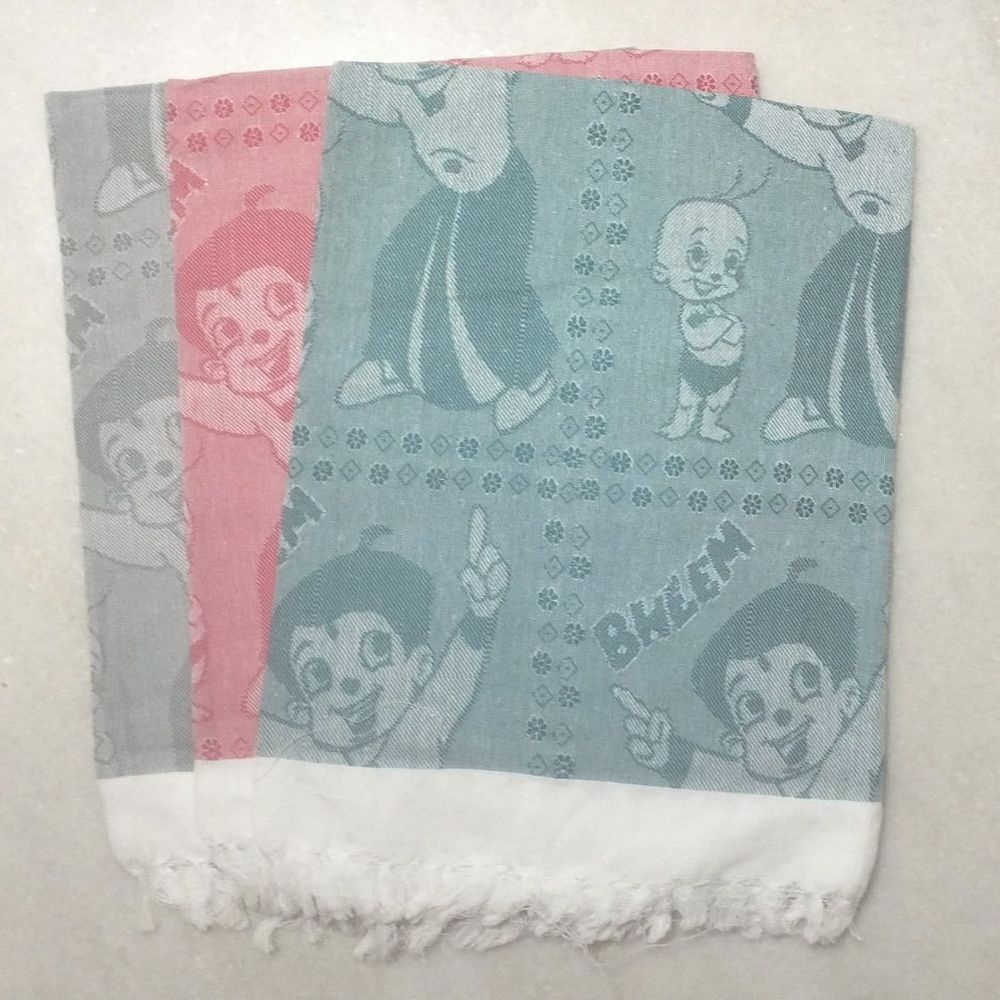
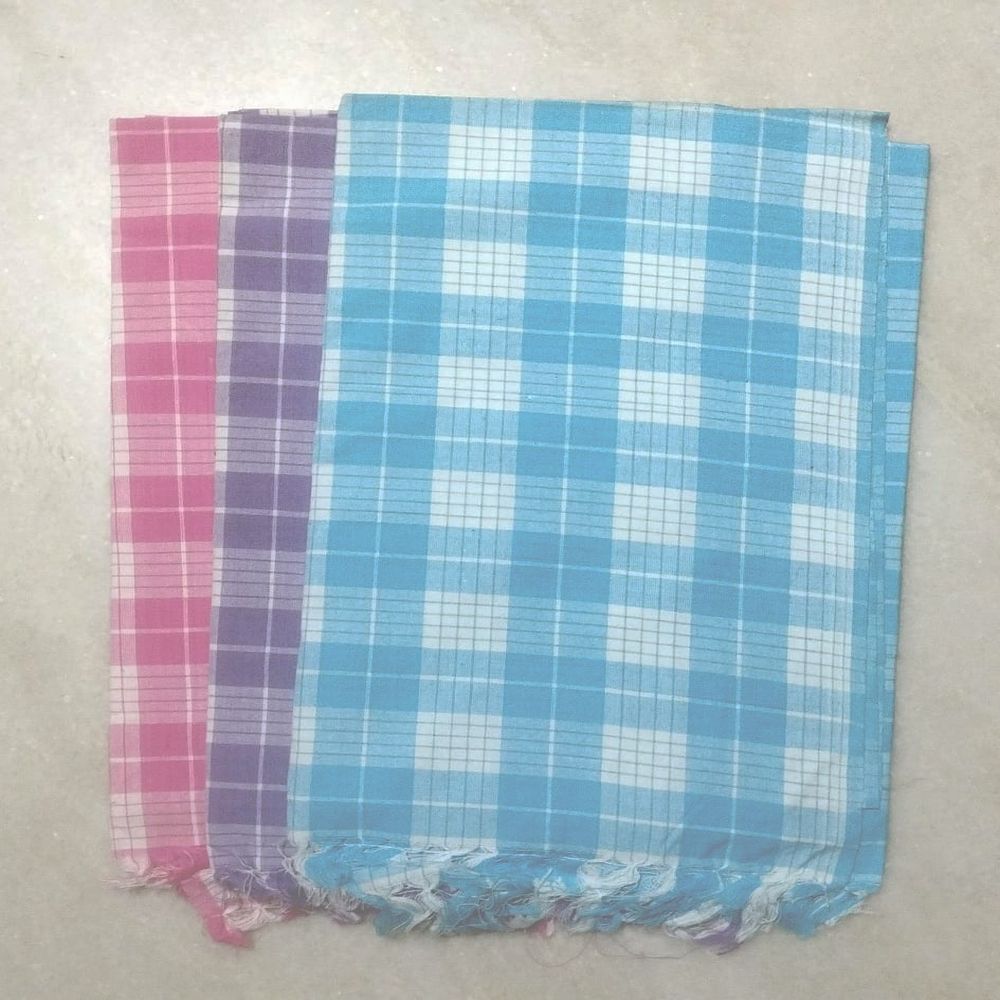
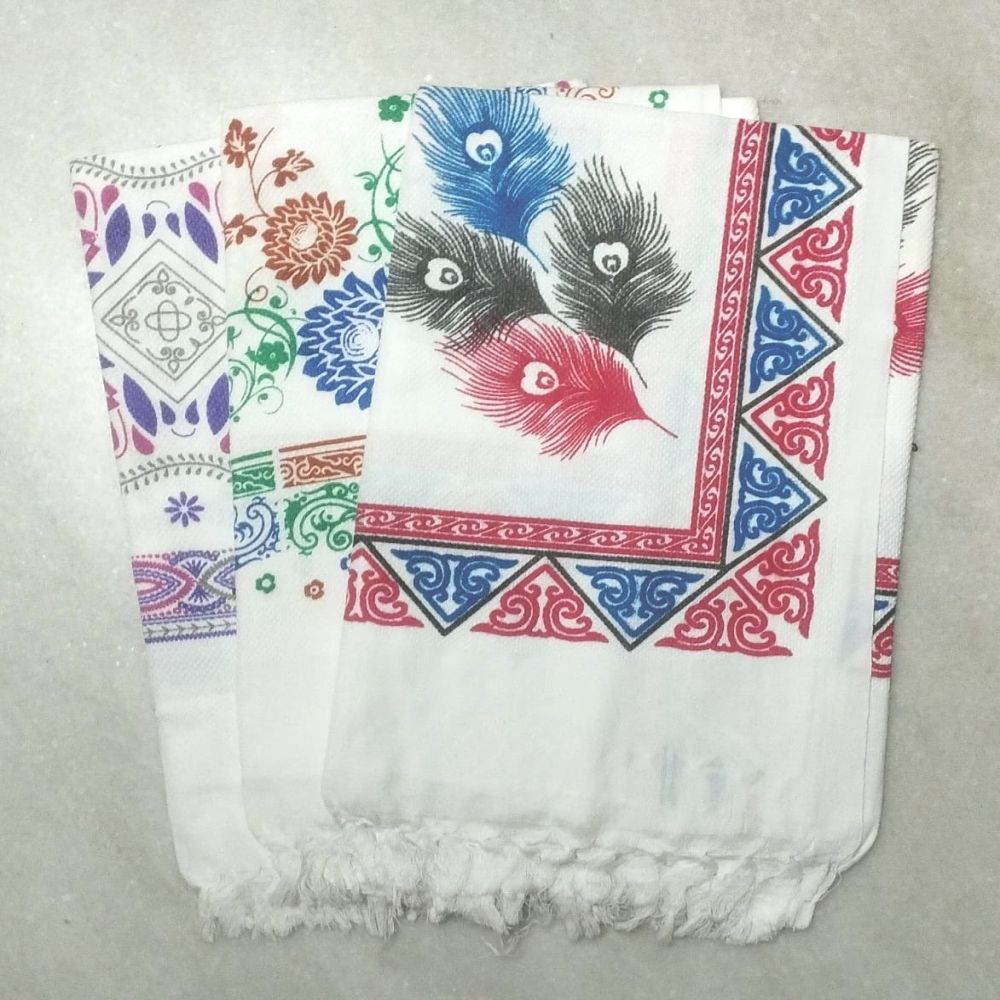
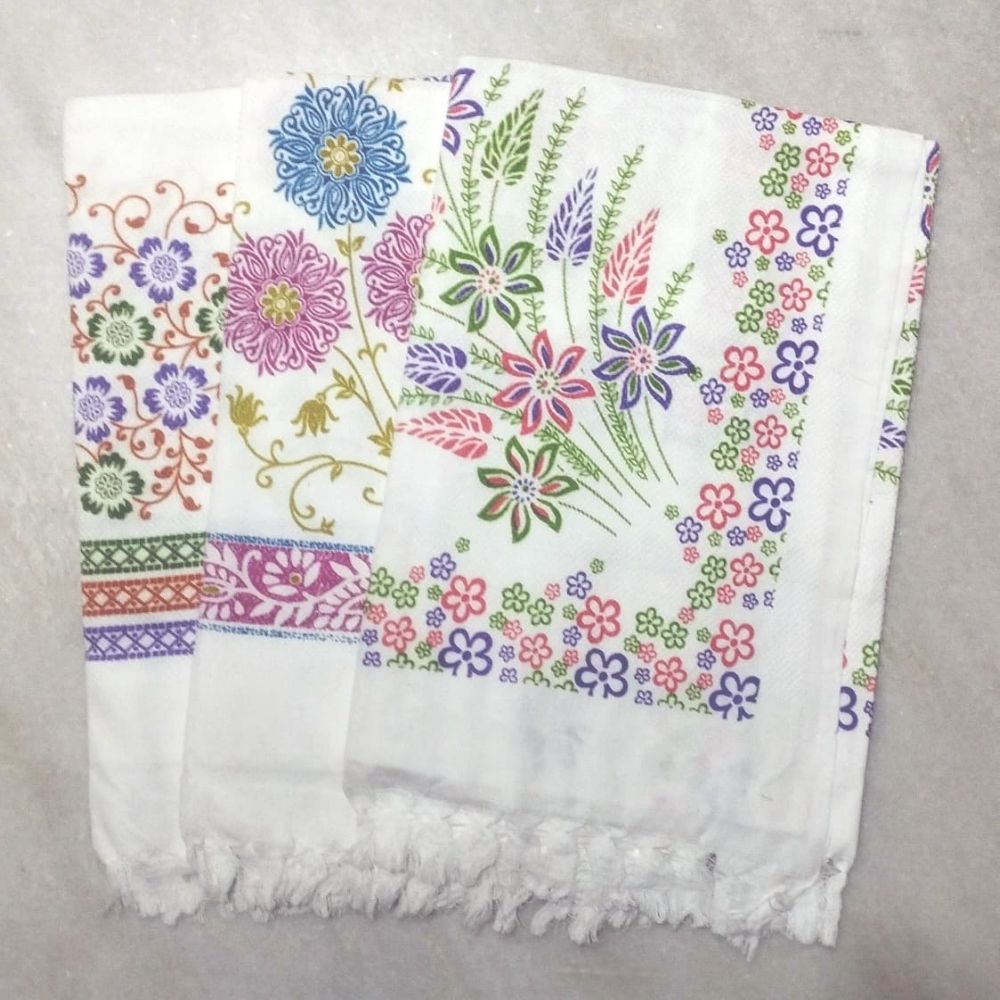
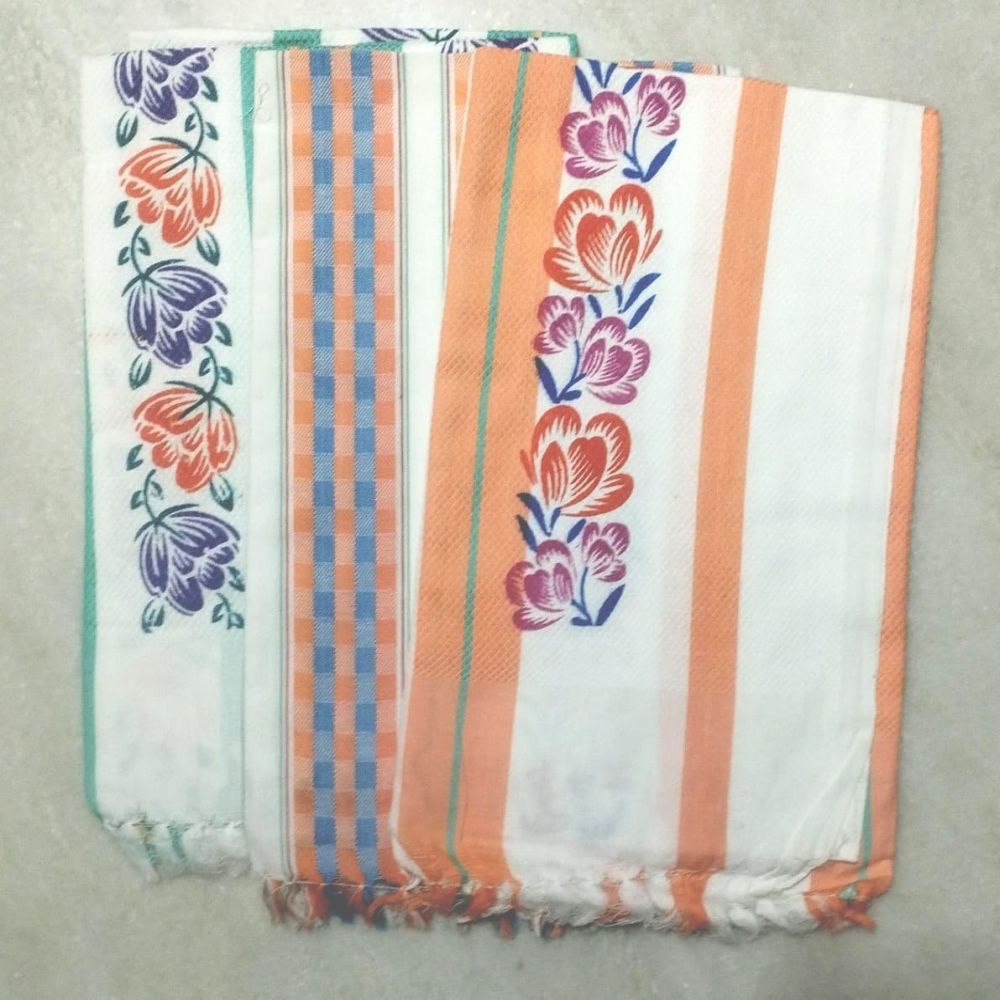
Cotton Bath Towels (Dharanish Mart - www.dharanishmart.com)
Set of 3 Towels | Big Size 29 x 55 Inch (73 x 139 cm) | MRP: Rs. 333/- | Discount Price: Rs. 300/- | Shipping: Free | Total Rs. 300/-
|

|
|
To Order: whatsapp: 9444086888 | To Pay: GPAY/ UPI Id: dharanishmart@cub
|
தரணிஷ்மார்ட் - www.dharanishmart.com (அனைத்து பதிப்பக நூல்கள் 10% தள்ளுபடியுடன்) |
|
GPay / UPI ID: dharanishmart@cub | பேசி: +91-9444086888 (Whatsapp)
|
© 2025 தமிழ்திரைஉலகம்.காம் | எங்களைப் பற்றி | தொடர்புக்கு | பொறுப்பாகாமை அறிவிப்பு | ரகசிய காப்பு கொள்கை |