Kmspico Windows 81 Offline Activator Better
 SHOP
SHOP
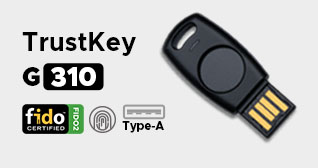
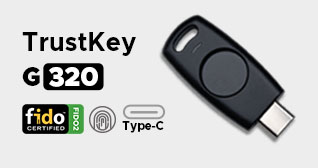
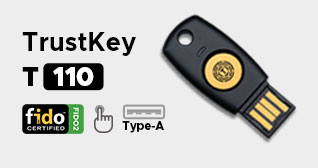
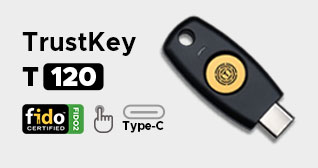
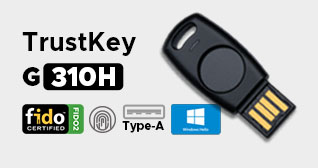
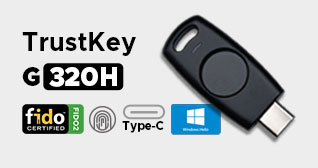
TrustKey
Global Group
The Best Partner for You
Global Group
The Best Partner for You
FIDO2 Security Key
Experience the easy-to-use login with Powerful security at the same time.

01
Fast login
without password
02
No more
fingerprint data breach
03
User Protection
with Multi-Protocol Support
04
Multiple
client devices supported
05
FIDO2 Security
Level 2 certified
06
Microsoft Azure
AD support
Windows 8.1 reached its official End of Support lifecycle in January 2023. It no longer receives vital security updates, making it inherently vulnerable to modern cyber threats regardless of how it is activated. Upgrading to a newer, supported operating system like Windows 10 or Windows 11 ensures long-term security.
Key Management Service (KMS) is a legitimate technology created by Microsoft. Large organizations and enterprise networks use it to activate batches of computers automatically over a local network.
Whenever possible, utilizing a genuine retail digital license or an official organization-provided KMS host remains the most stable, legal, and secure method to operate Windows 8.1.
They install a fake KMS server directly onto your hard drive.
Instead of risking your security and legal standing, you have several safe and legitimate options for Windows 8.1:
While the conceptual mechanism of a local KMS emulator is straightforward, the actual files distributed online under the name "KMSpico" pose significant security risks.
If purchasing a new license is not an option, consider switching to a free, open-source operating system like Linux (e.g., Ubuntu or Linux Mint). Modern Linux distributions are lightweight, highly secure, and excellent for older hardware that previously ran Windows 8.1. Conclusion
Because these tools must modify system files and registry keys to install the local KMS loopback service, they are universally flagged by Windows Defender and third-party antivirus programs. Malicious actors exploit this fact, telling users to disable their security software during installation, which leaves the system completely defenseless against actual malware.
Unlike traditional KMSpico, these scripts do not need to install persistent background software or run constantly in the background. They utilize built-in Windows command-line tools ( slmgr.vbs ) to inject the generic volume license key and point the system to an active KMS host.
The user interface is exceptionally simple. A single button press is usually all that is required to trigger the activation process. How to Use KMSPico for Windows 8.1 (General Procedure)
Windows 8.1 reached its official End of Support lifecycle in January 2023. It no longer receives vital security updates, making it inherently vulnerable to modern cyber threats regardless of how it is activated. Upgrading to a newer, supported operating system like Windows 10 or Windows 11 ensures long-term security.
Key Management Service (KMS) is a legitimate technology created by Microsoft. Large organizations and enterprise networks use it to activate batches of computers automatically over a local network.
Whenever possible, utilizing a genuine retail digital license or an official organization-provided KMS host remains the most stable, legal, and secure method to operate Windows 8.1. kmspico windows 81 offline activator better
They install a fake KMS server directly onto your hard drive.
Instead of risking your security and legal standing, you have several safe and legitimate options for Windows 8.1: Windows 8
While the conceptual mechanism of a local KMS emulator is straightforward, the actual files distributed online under the name "KMSpico" pose significant security risks.
If purchasing a new license is not an option, consider switching to a free, open-source operating system like Linux (e.g., Ubuntu or Linux Mint). Modern Linux distributions are lightweight, highly secure, and excellent for older hardware that previously ran Windows 8.1. Conclusion Key Management Service (KMS) is a legitimate technology
Because these tools must modify system files and registry keys to install the local KMS loopback service, they are universally flagged by Windows Defender and third-party antivirus programs. Malicious actors exploit this fact, telling users to disable their security software during installation, which leaves the system completely defenseless against actual malware.
Unlike traditional KMSpico, these scripts do not need to install persistent background software or run constantly in the background. They utilize built-in Windows command-line tools ( slmgr.vbs ) to inject the generic volume license key and point the system to an active KMS host.
The user interface is exceptionally simple. A single button press is usually all that is required to trigger the activation process. How to Use KMSPico for Windows 8.1 (General Procedure)













How to enroll fingerprint with BioManager
How to sign into G Suite using TrustKey
Meet TrustKey’s expert.
CONTACT US
Copyright © 2020 TrustKey. All Rights Reserved.