





.png)



.png)
.png)
.png)
.png)

Many women live in joint family systems, sharing household responsibilities and childcare with extended relatives.
India, a country with a rich and diverse cultural heritage, is home to a population of over 1.3 billion people. The country has made significant progress in various fields, including technology, economy, and education. However, when it comes to the lifestyle and culture of Indian women, there are many aspects that are worth exploring. This paper aims to provide an in-depth analysis of the lifestyle and culture of Indian women, covering their history, social status, family life, education, career, and the challenges they face.
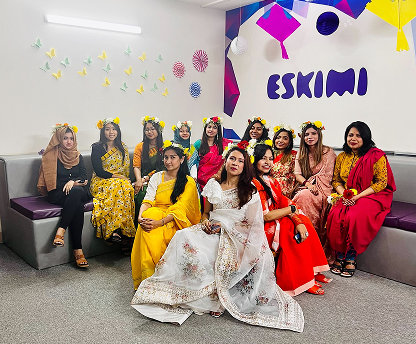
Urban centers have seen the rise of fusion wear, where traditional textiles like Ikat, Khadi, and Block-print cotton are styled into modern silhouettes like blazers, dresses, and trousers. 3. Festivals, Rituals, and Spiritual Life
Indian women are increasingly navigating a "delicate balance" between heritage and global trends. Dual Identity: It is common to see women who are equally comfortable in a salwar kameez video title indian mature aunty sex and blowjo install
Starting the day often involves lighting a lamp ( diya ), drawing auspicious rangoli patterns at the doorstep, and performing morning prayers ( puja ).
Instagram and WhatsApp groups have become "women’s only" forums. From sharing haldi recipes to flagging unsafe locales, or organizing support for a colleague facing divorce, digital spaces have created a parallel culture of solidarity. Hashtags like #MeTooIndia and #BringBackOurGirls have shown that the Indian woman is no longer willing to suffer in silence.
The lifestyle and culture of Indian women represent a dynamic fusion of ancient traditions and rapid modern evolution. In a country of 1.4 billion people, the experiences of women vary deeply across geography, social background, and generation. Today, Indian women are successfully navigating the expectations of a deeply rooted heritage while simultaneously redefining their roles in the global economy. 1. Family Dynamics and Social Roles Many women live in joint family systems, sharing
Fashion in 2026 has shifted from occasion-based dressing to a lifestyle choice focused on .
Many women live in joint family systems, sharing household responsibilities and childcare with extended relatives.
Utilizing Ubtans —pastes made from chickpea flour, turmeric, and rosewater. However, when it comes to the lifestyle and
The lifestyle and culture of Indian women in 2026 are defined by a . Modern Indian womanhood is characterized by a "global heart with Indian roots," where traditional values of family and heritage are increasingly integrated with economic independence, digital literacy, and sustainable living. 1. Professional & Economic Landscape
The narrative of the Indian woman has moved beyond that of a "beneficiary" to a primary driver of the national economy.
Living in joint families is still common. This structure offers a robust support system for childcare and domestic duties, but it also requires women to continuously negotiate personal boundaries and compromise.
Spirituality forms the rhythm of daily life for most Indian women, regardless of their specific religion. Women are often the custodians of cultural rituals and oral traditions.

.png)
.png)

.png)