The Kumja Moon remains an enigma, with its true nature and purpose still shrouded in mystery. While scientific explanations offer plausible accounts for the phenomenon, conspiracy theories and speculations continue to capture the imagination of enthusiasts and experts alike.
The Kumja Moon has also inspired contemporary artistic expressions, including music, dance, and visual arts. These creative works often reinterpret the mythology and symbolism surrounding the Kumja Moon, making it accessible to a new generation of enthusiasts.
: Analyzing the socio-political influence on art during this era.
: In Western and Romance languages (such as the Spanish La Luna or French La Lune ), the moon is strictly feminine, embodied by ancient goddesses like Selene and Luna.
The Kumja Moon phenomenon is intricately linked to North Korea's space program, which has made significant strides in recent years. The country has successfully launched several satellites, including Kwangmyongsong-3 (2012) and Kwangmyongsong-4 (2016), which have been touted as major achievements.
While considered a vintage or older-generation name in modern South Korea, it carries deep historical weight, often associated with resilience, classic elegance, and maternal generations. "Moon" (문 / 文)
The Kumja Moon hung low and enormous, its purple light making the river run like wine. And standing at the edge of the village well was a figure.
: The "Book of Royal Protocols" that serves as a primary source for much of Moon's research into courtly life.
"Moon" is a prominent Korean family name, historically written with the Hanja character meaning (文). It is a surname shared by numerous historical figures, scholars, and contemporary leaders, symbolizing a legacy of education and artistic contribution.
In the grand tapestry of art history, there are scholars whose work not only illuminates the past but also builds bridges between cultures. Kumja Paik Kim is one such figure. Over a career spanning more than three decades, she has served as a preeminent curator, author, and educator, dedicating her life to the study and global promotion of Korean art. The keywords associated with her legacy— kumja moon , kumja paik kim , and kumja paik —are the starting points for a deep dive into the extraordinary journey of a woman who helped transform a niche field into a celebrated and widely respected area of study in the Western world.
Her authorship extends to numerous other major catalogues and books, including:
This article delves deep into the life, philosophy, and masterful techniques of Kumja Moon, exploring why her celadon (known as cheongja in Korean) represents not just art, but the breathing soul of the Goryeo Dynasty—reimagined for the 21st century.
보내주신 물품 잘받았읍니다사용후기 - 채운 영농조합법인
By looking at folklore, art, and science, we can see how this special golden light affects our world and our minds. 1. What Makes the Moon Look Golden?
Kumja Moon serves as a perfect case study for . It demonstrates how a name rooted in the quiet, elegant traditions of the past can evolve into a digital anchor point for modern art, subcultural commentary, and global commerce. It reminds us that behind every unique keyword lies a bridge connecting generational heritage to modern creative expression.
To appreciate Kumja Moon’s work, one must first understand the technical nightmare that is celadon. Unlike porcelain, which relies on whiteness, celadon’s beauty relies on reduction firing —manipulating oxygen levels inside a kiln at 1,200 to 1,300 degrees Celsius (2,200 to 2,370°F).
The traveler left the next morning, not just with a full stomach, but with a jar of Kumja's "healing paste" and a new understanding: that kindness is a recipe best shared with strangers. specific setting , like a historical palace or a modern-day Korean city?
: Parents can easily monitor their newborn’s temperature and breathing by keeping them directly against their chest.
The Kumja Moon remains an enigma, with its true nature and purpose still shrouded in mystery. While scientific explanations offer plausible accounts for the phenomenon, conspiracy theories and speculations continue to capture the imagination of enthusiasts and experts alike.
The Kumja Moon has also inspired contemporary artistic expressions, including music, dance, and visual arts. These creative works often reinterpret the mythology and symbolism surrounding the Kumja Moon, making it accessible to a new generation of enthusiasts.
: Analyzing the socio-political influence on art during this era.
: In Western and Romance languages (such as the Spanish La Luna or French La Lune ), the moon is strictly feminine, embodied by ancient goddesses like Selene and Luna.
The Kumja Moon phenomenon is intricately linked to North Korea's space program, which has made significant strides in recent years. The country has successfully launched several satellites, including Kwangmyongsong-3 (2012) and Kwangmyongsong-4 (2016), which have been touted as major achievements.
While considered a vintage or older-generation name in modern South Korea, it carries deep historical weight, often associated with resilience, classic elegance, and maternal generations. "Moon" (문 / 文)
The Kumja Moon hung low and enormous, its purple light making the river run like wine. And standing at the edge of the village well was a figure.
: The "Book of Royal Protocols" that serves as a primary source for much of Moon's research into courtly life.
"Moon" is a prominent Korean family name, historically written with the Hanja character meaning (文). It is a surname shared by numerous historical figures, scholars, and contemporary leaders, symbolizing a legacy of education and artistic contribution.
In the grand tapestry of art history, there are scholars whose work not only illuminates the past but also builds bridges between cultures. Kumja Paik Kim is one such figure. Over a career spanning more than three decades, she has served as a preeminent curator, author, and educator, dedicating her life to the study and global promotion of Korean art. The keywords associated with her legacy— kumja moon , kumja paik kim , and kumja paik —are the starting points for a deep dive into the extraordinary journey of a woman who helped transform a niche field into a celebrated and widely respected area of study in the Western world.
Her authorship extends to numerous other major catalogues and books, including:
This article delves deep into the life, philosophy, and masterful techniques of Kumja Moon, exploring why her celadon (known as cheongja in Korean) represents not just art, but the breathing soul of the Goryeo Dynasty—reimagined for the 21st century.
보내주신 물품 잘받았읍니다사용후기 - 채운 영농조합법인
By looking at folklore, art, and science, we can see how this special golden light affects our world and our minds. 1. What Makes the Moon Look Golden?
Kumja Moon serves as a perfect case study for . It demonstrates how a name rooted in the quiet, elegant traditions of the past can evolve into a digital anchor point for modern art, subcultural commentary, and global commerce. It reminds us that behind every unique keyword lies a bridge connecting generational heritage to modern creative expression.
To appreciate Kumja Moon’s work, one must first understand the technical nightmare that is celadon. Unlike porcelain, which relies on whiteness, celadon’s beauty relies on reduction firing —manipulating oxygen levels inside a kiln at 1,200 to 1,300 degrees Celsius (2,200 to 2,370°F).
The traveler left the next morning, not just with a full stomach, but with a jar of Kumja's "healing paste" and a new understanding: that kindness is a recipe best shared with strangers. specific setting , like a historical palace or a modern-day Korean city?
: Parents can easily monitor their newborn’s temperature and breathing by keeping them directly against their chest.
Для Трампа золото - это не просто эстетика или инвестиция, а целое мировоззрение: символ власти, надёжности и недоверия к бумажным деньгам, подкреплённое его первыми успешными сделками ещё в 1970-х годах.
В первом квартале 2026 года мировой рынок золота продемонстрировал рекордный рост благодаря высокому инвестиционному спросу, активным покупкам центральных банков и росту цен на золото. Инвестиции в золото укрепили позиции драгоценного металла.
Несмотря на недавнее снижение цен, золото сохраняет сильные долгосрочные перспективы благодаря спросу как на защитный актив и инструмент диверсификации. Аналитики HSBC отмечают рост волатильности. kumja moon
Bank of America ожидает, что цена золота может вырасти до 6000$ за унцию уже к середине 2026 года на фоне сокращения предложения, активных покупок со стороны Центробанков и роста интереса инвесторов к защитным активам.
В мире, где новости пестрят экономическими качелями, инфляцией и геополитикой, люди всё чаще ищут «тихую гавань» для своих сбережений. И вот тут на сцену выходит золото как надёжный способ сохранить свои сбережения.
Объяснения причин резкого роста цен на золото продолжают поражать воображение и вызывают улыбку. По сути, есть только одна причина владеть золотом - защитить и сохранить своё богатство, но зачем это нужно?
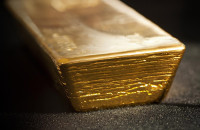
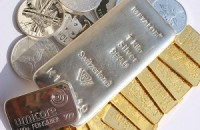
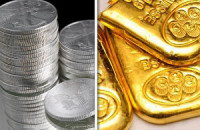
Физические драгоценные металлы играют уникальную роль в инвестиционном портфеле. В отличие от акций и облигаций, золотые и серебряные слитки можно безопасно держать полностью вне финансовой системы.
Покупатели золота и серебра в виде монет и слитков могут не получить рекордную прибыль даже за всю свою жизнь. Однако одно можно сказать наверняка: эти деньги никогда не погибнут. The Kumja Moon remains an enigma, with its
На рынок золота постоянно приходят новые частные инвесторы, которые только начинают интересоваться покупкой золота. У них возникает сомнение, когда лучше инвестировать и что лучше покупать. Далее несколько советов.
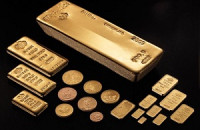
Золотые монеты и слитки являются оптимальным средством для защиты капитала от кризиса. При их покупке важно соблюдать несколько правил. Одно из них гласит: при покупке золота нужно сразу думать о его продаже.