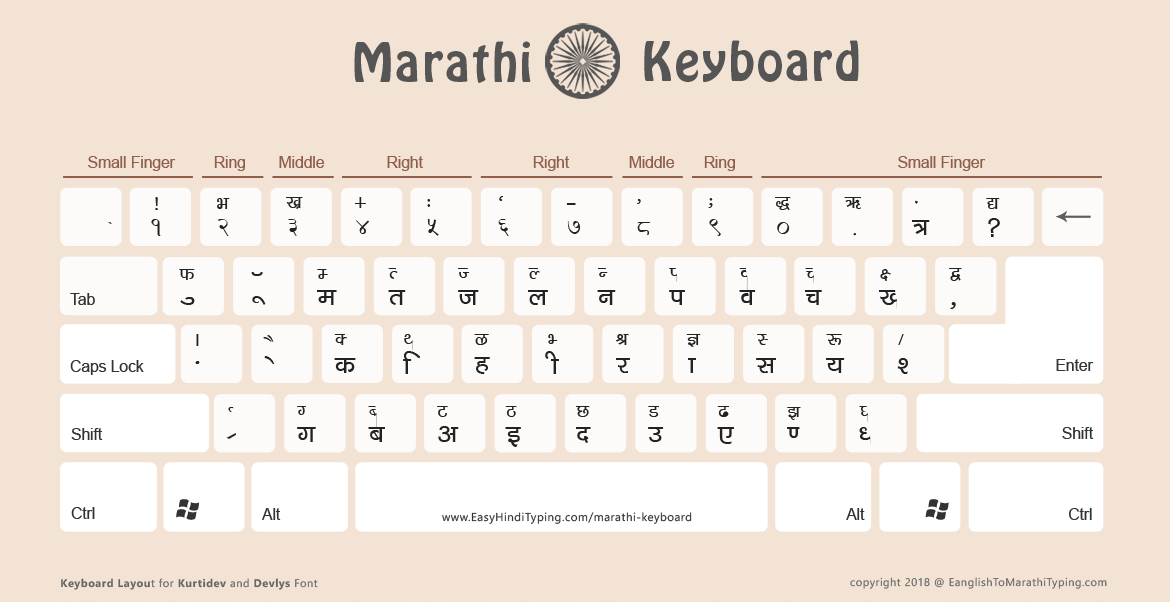
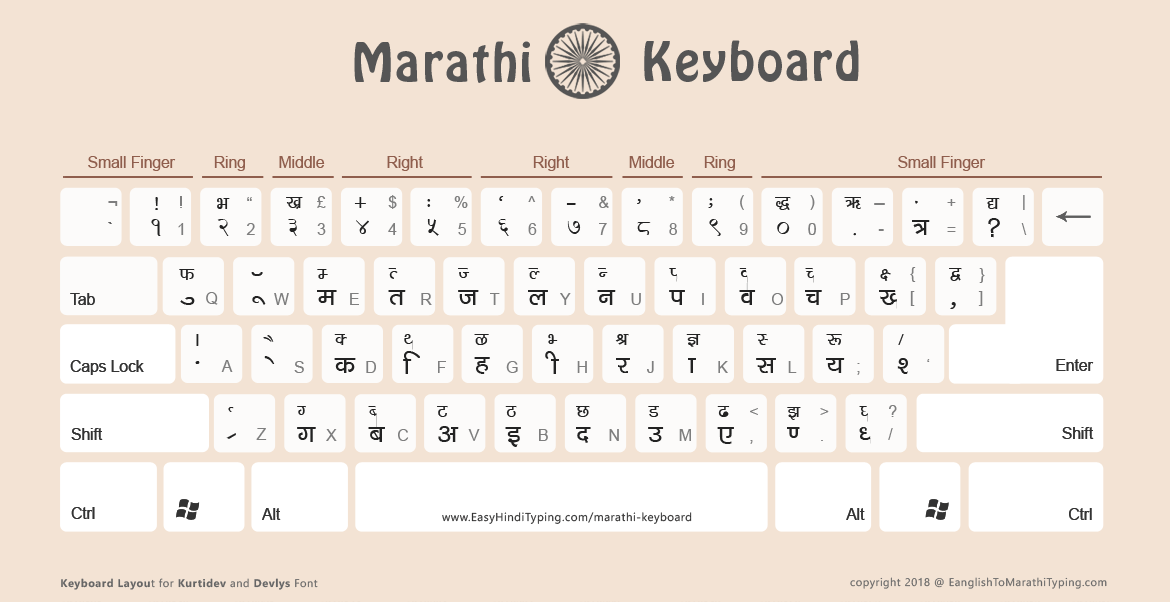
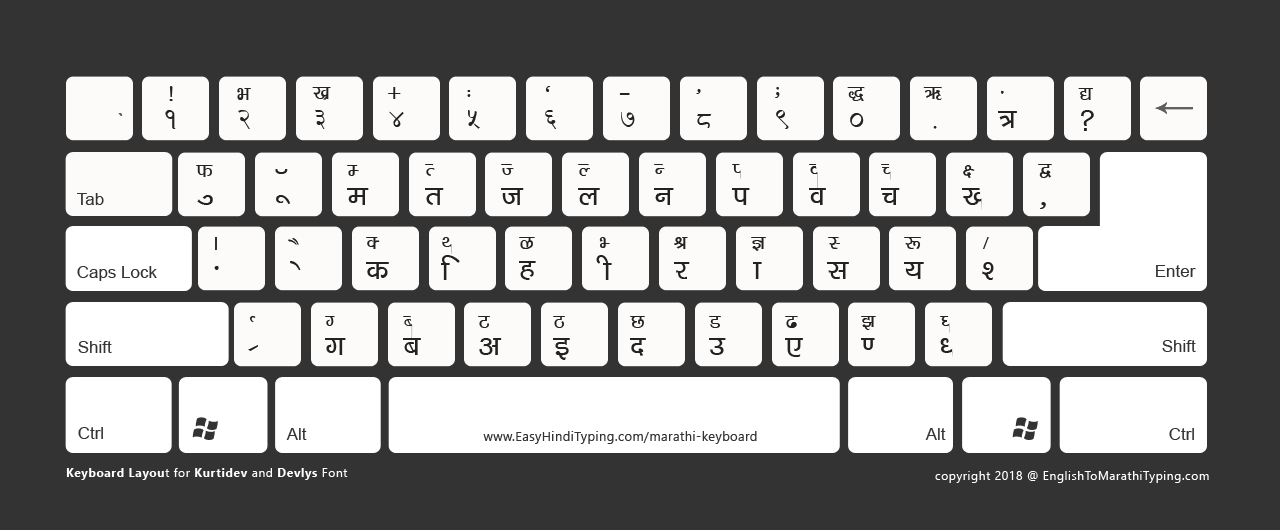
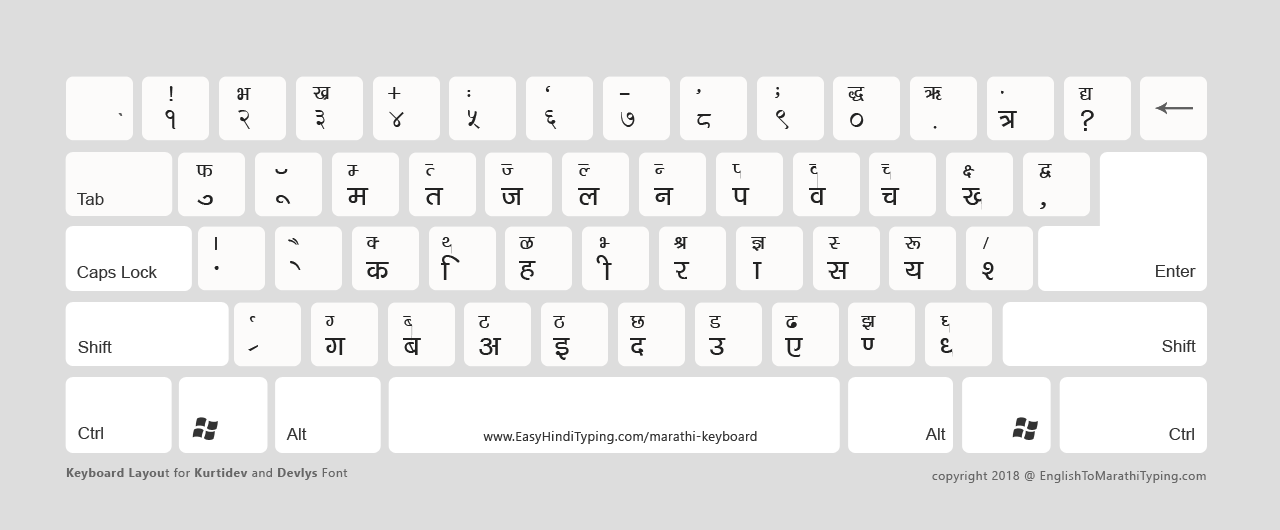
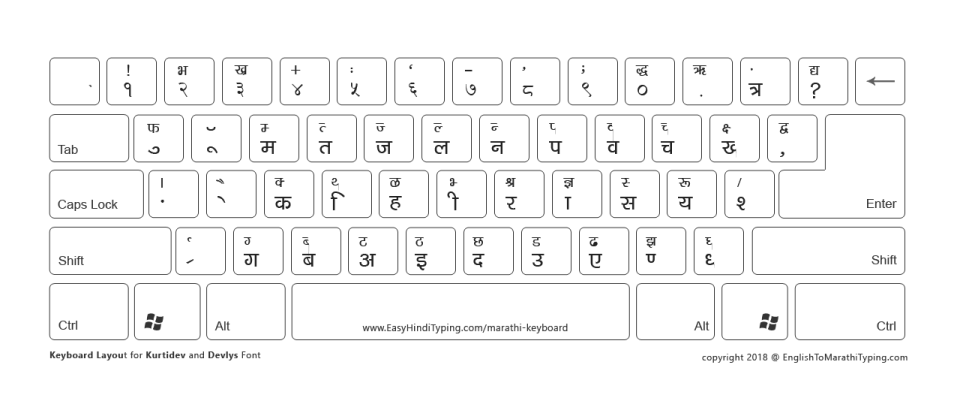
1. Remington (Typewriter) Marathi Keyboard for Kurti Dev and DevLys Fonts
Click this link to view all special characters not available on the keyboard layout above.
In an Indian household, the alarm clock isn’t usually a digital beep—it’s the rhythmic whistling of a pressure cooker, the scent of incense from the morning puja (prayer), or the frantic calling of a neighbor’s name across a balcony. While India is rapidly modernizing, the core of its daily life remains rooted in a unique blend of collective living and "Jugaad" (frugal innovation). The Morning Rush and the Sacred Chai
, and daily routines centered around family meals and spiritual practices Core Lifestyle Dynamics The Joint Family System
family life is anchored by deep-rooted collectivism , where the needs and reputation of the family unit typically precede individual desires. While urbanization is shifting many toward nuclear households, the joint family structure
As dusk falls, the energy of the household shifts back inward. The transition from professional life to family life is marked by specific evening markers.
“Does your Indian family have a signature daily ritual? Tell me in the comments — I bet someone’s nani makes better achaar than mine!”
While daily life varies drastically between a high-rise apartment in Gurgaon and a courtyard house in rural Rajasthan, a common thread unites them: the daily schedule. The Sacred Morning
: Structurally, many households still feature three or four generations living together—grandparents, parents, and children—sharing a common kitchen and financial pool. Social Interdependence
Television viewing is frequently a group activity. Whether it is a cricket match, a reality show, or a daily drama series, generations sit together, offering unfiltered commentary. This is also the time when extended relatives drop by unannounced. In Indian culture, guests are viewed as blessings ( Atithi Devo Bhava ), and a host will instantly whip up fresh snacks and tea without a second thought. The Sacred Dinner Table
 Sambhu Raj Singh ·