Zooskool Com Video Dog Exclusive Now
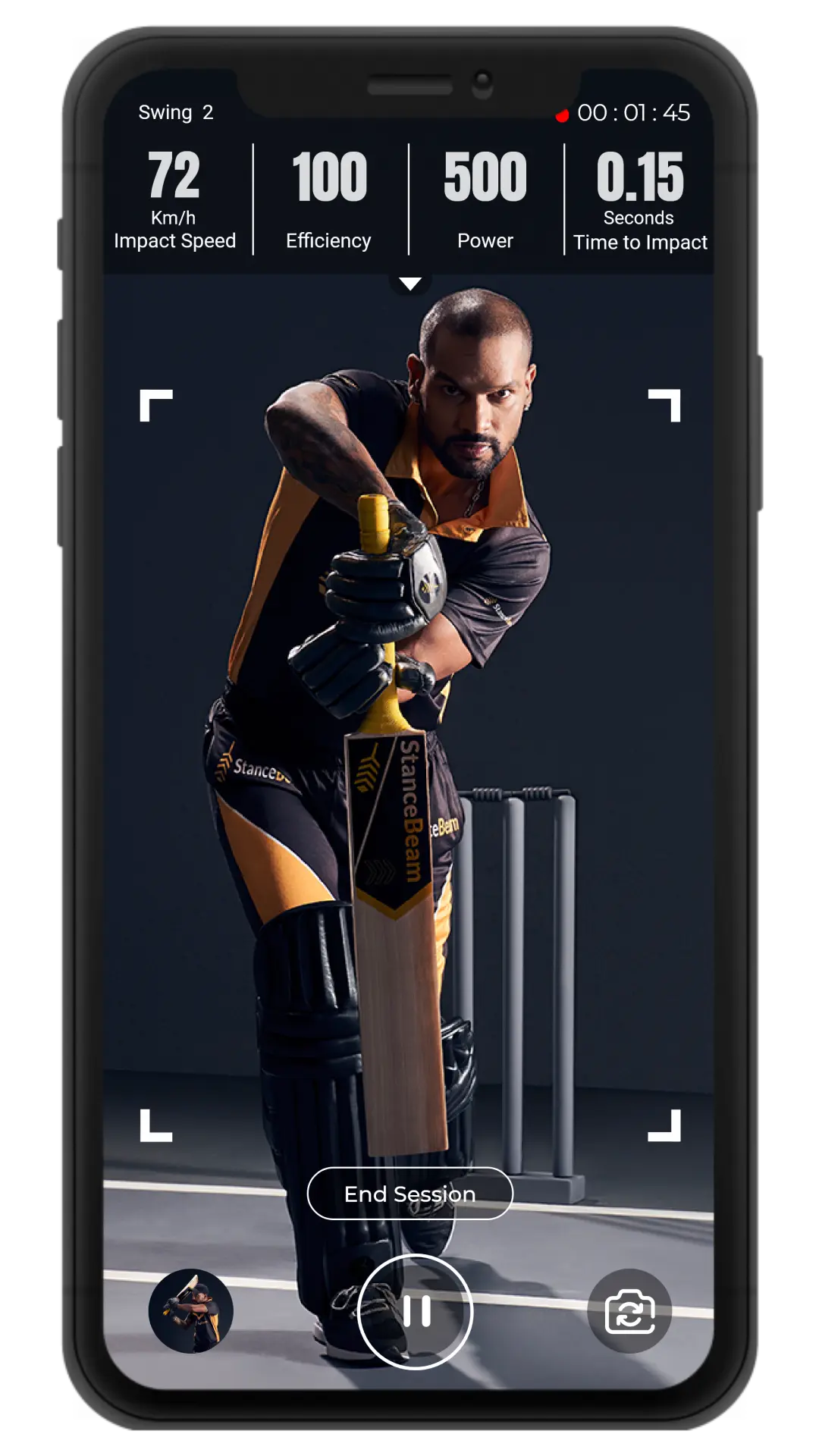
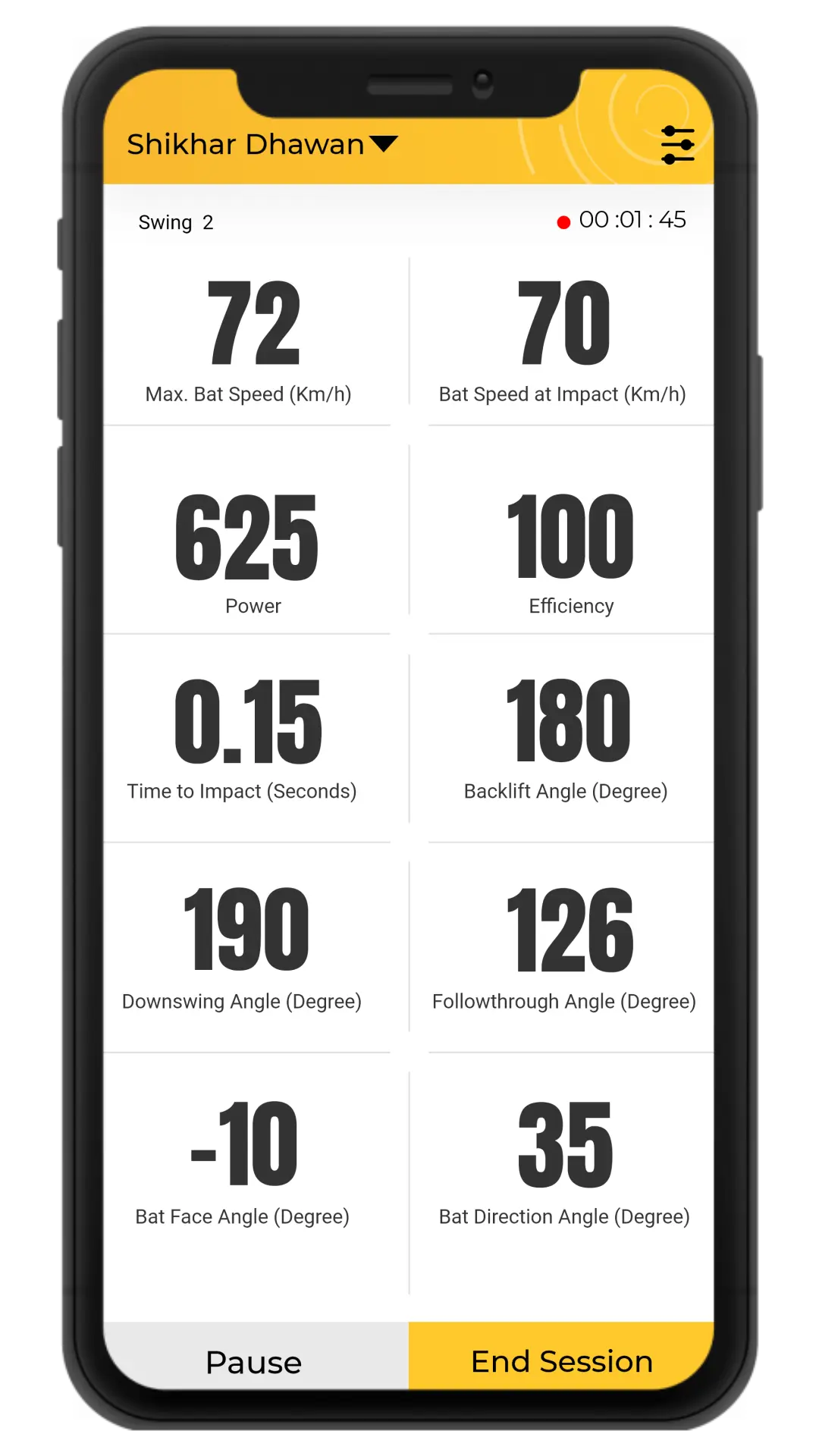
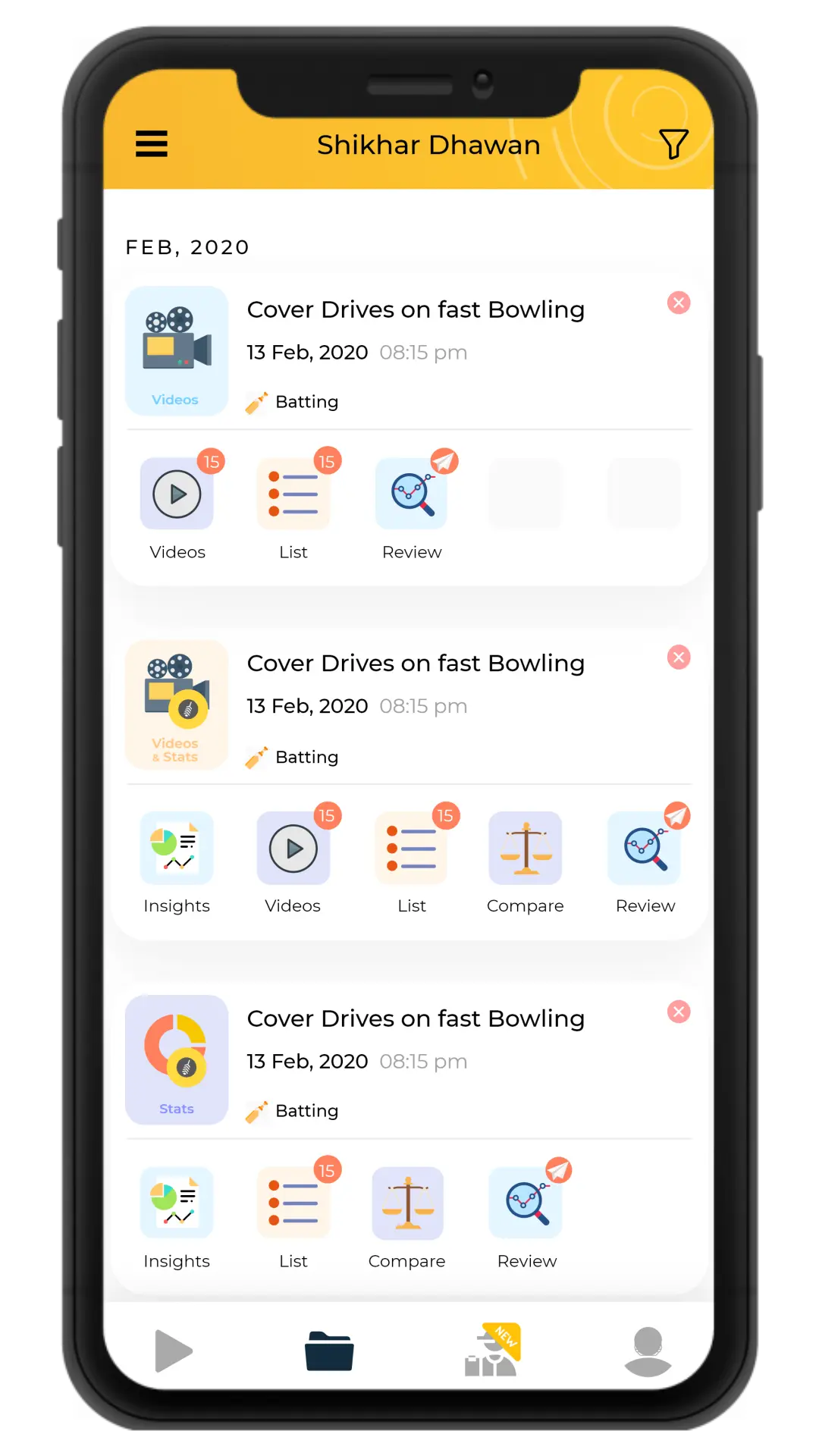
The StanceBeam app is the soul of the interactions with StanceBeam Striker - Smart Cricket Bat Sensor


Swipe up to learn more
The StanceBeam app is the soul of the interactions with StanceBeam Striker - Smart Cricket Bat Sensor
Swipe up to learn more
Animal behavior is not a "soft skill" alongside "hard" veterinary science. It is the interpretive key that unlocks accurate diagnosis, humane treatment, and lasting cure. When a veterinarian asks not only “What is the blood work showing?” but also “What is this animal trying to tell me?” , they practice the highest form of medicine. In the 21st century, there is no veterinary science without behavioral science.
Researchers are identifying genetic markers linked to behavioral traits, which may help predict and prevent severe anxiety or aggression in specific lineages.
In , bestiality is a serious criminal offense. In the state of New South Wales, an act of bestiality carries a penalty of up to 14 years imprisonment . Possessing or distributing bestiality material is also a crime, with penalties of up to five years imprisonment for production or dissemination, and three years for mere possession.
Staff are trained to recognize early signs of stress, such as lip-licking, yawning, whale-eye (showing the whites of the eyes), and a lowered tail. zooskool com video dog exclusive
The production, distribution, and possession of bestiality material, including any content associated with "zooskool com," is illegal in a vast majority of jurisdictions, with severe penalties.
Animals involved in these acts cannot give consent, meaning any sexual contact is inherently an act of violence and exploitation. The physical consequences are often horrific, including "internal damage" and torn flesh and organs. The psychological trauma on the animal victim is also severe, leaving lasting emotional scars. In many cases, the abuse results in the animal's death.
For decades, veterinary medicine focused primarily on the physical ailments of animals. A broken bone, a viral infection, or a parasitic outbreak was diagnosed and treated using strictly biomedical tools. However, modern veterinary medicine recognizes that a physical body cannot be fully healed or understood without looking at the mind. Animal behavior is not a "soft skill" alongside
New studies explore the gut-brain axis, proving that specific diets and probiotics can alter gut flora to help reduce anxiety and aggression.
A house-trained dog or cat that begins urinating indoors may not be acting out. They often suffer from urinary tract infections (UTIs), bladder stones, diabetes, or age-related cognitive decline.
Working with agencies to improve the lives of farm, lab, and shelter animals. In the 21st century, there is no veterinary
Understanding that the owner’s behavior and mental state significantly impact the animal’s stress levels. 📈 Future Frontiers
Whether you're looking to educate pet owners or share your professional journey, here are three tailored post options for . Option 1: Educational (For Pet Parents)
Housesoiling in previously trained pets can signal urinary tract infections, kidney disease, or cognitive decline.
Historically, veterinary medicine and animal behavior were treated as distinct disciplines. Veterinarians focused strictly on pathology, surgery, and pharmacology. Behavior was largely left to trainers, ethologists, or behaviorists, often viewed through the lens of obedience rather than health.
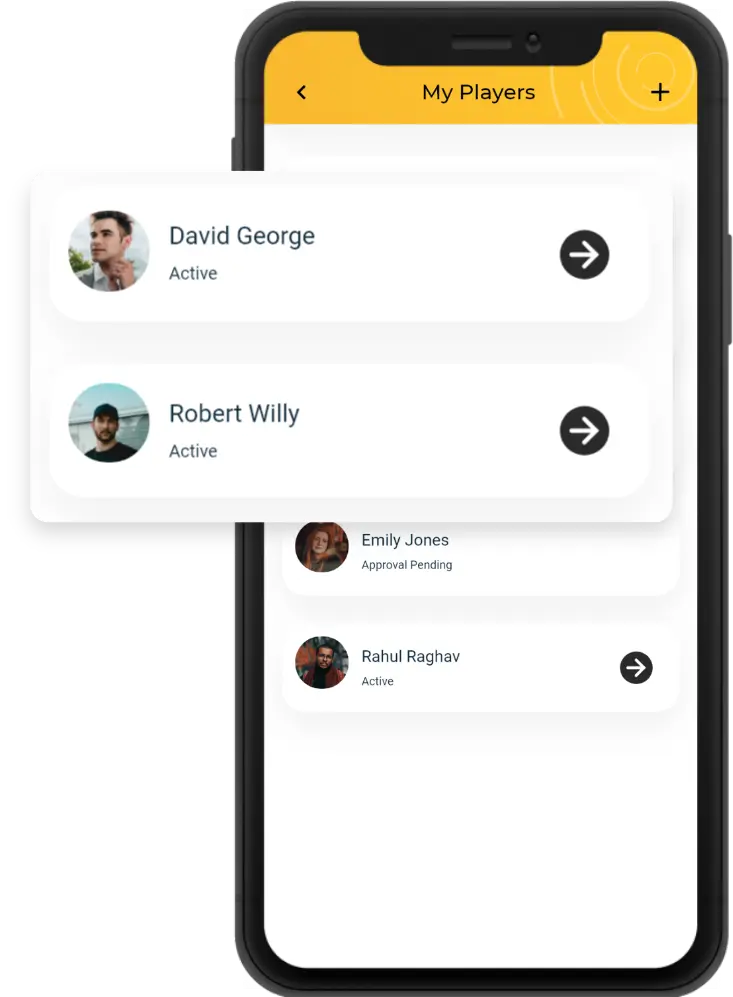
With a Premium Coach account, Coaches can add, manage, and monitor multiple player accounts. This enables coaches to directly oversee their players and track their progress over time using a single Coach account. Coach can add a new player to his coach account by entering the player's name and email address. This sends an invitation to a player to join the Coach network. When a player accepts an invitation, the coach has access to all of the sessions he has played on StanceBeam, and the coach can share feedback and drills after analyzing the sessions.
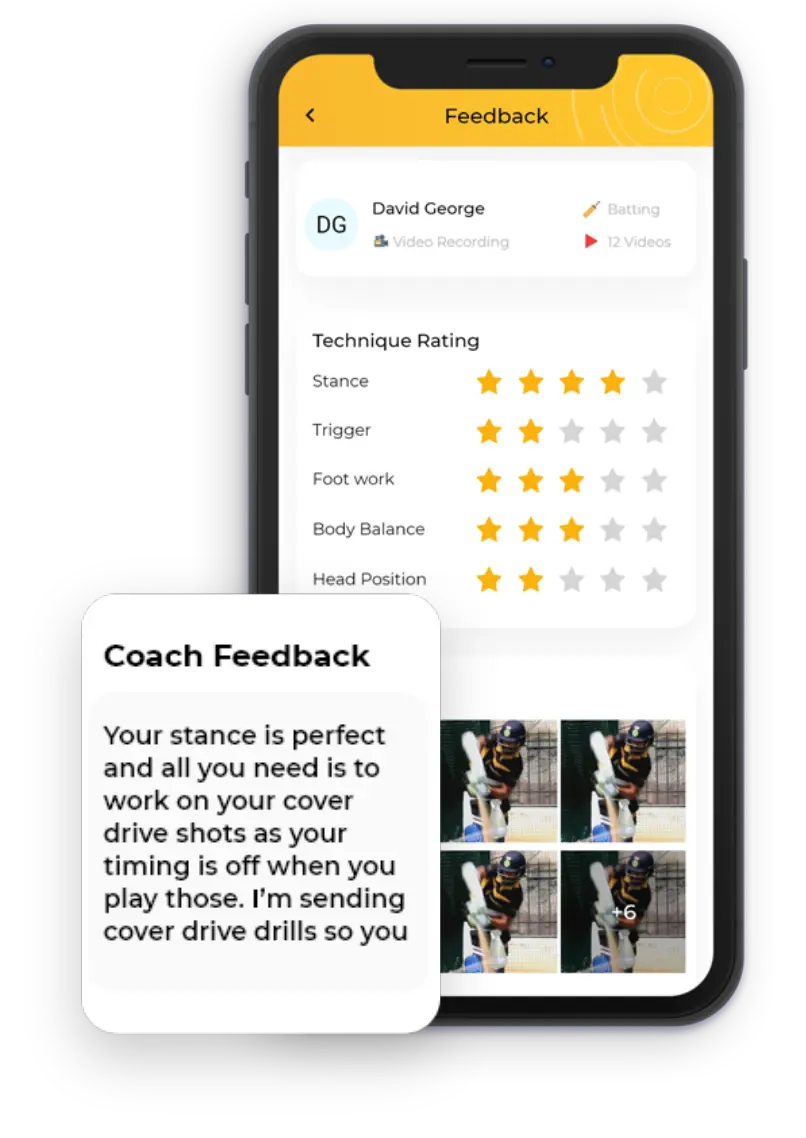
Coaches feedback allows you to greatly impact player's improvements by rating your players on every aspect of their technique, giving meaningful feedback to players using Audio/Text notes.
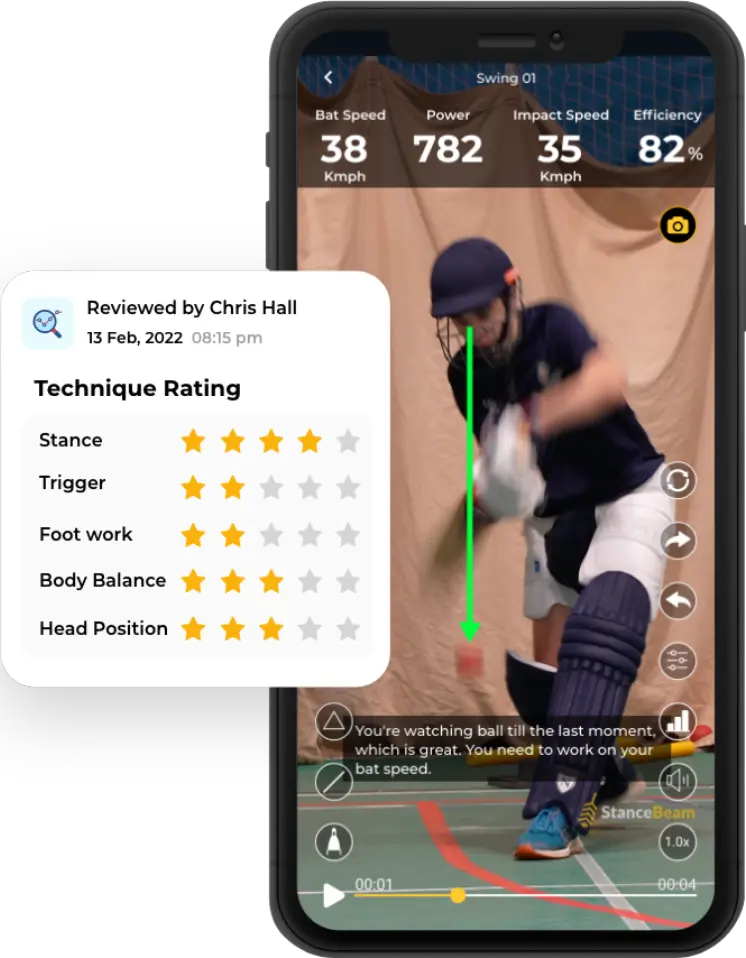
Coaches can use in-app video analytics and editing to analyze videos in slow-motion replay and draw on video with lines and shapes to clearly demonstrate their points. You may visibly highlight your players' strengths and weaknesses to get their buy-in for areas for improvement, and you can provide critical feedback before and after each session.
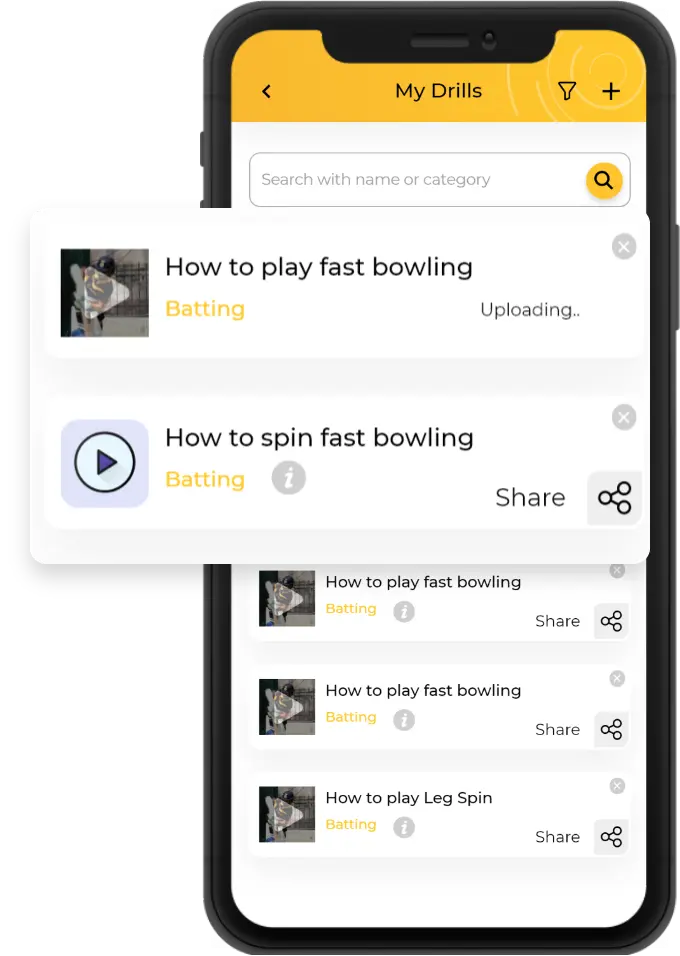
Each Cricket coach has his or her own coaching philosophy and technique. Coaches can use My Drills to record and upload their own drills (there are also existing sets of drills already available in the app). Coaches can then assign these drills to specific players based on the changes they want to make to the player's technique. Drills that are uploaded are kept in the cloud and do not take up space on your phone.