







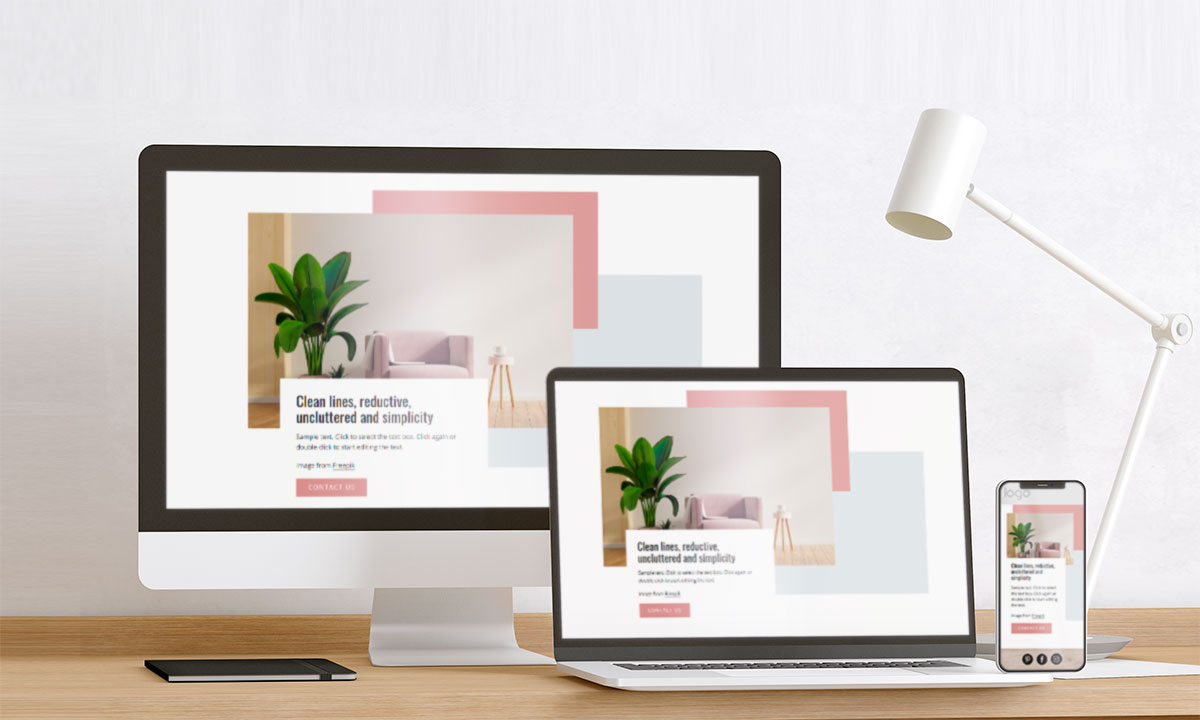
You have a vast collection of designer-made blocks to begin your new website.

Modify, add or customize everything on your website visually with zero code.
All Blocks are 100% responsive and mobile-friendly to fit any deisgn.
has become a prominent figure in adult-oriented dramas, particularly those produced by studios like . Her work often centers on:
Reviewers consistently note that Paige treats the complex, avant-garde script with absolute seriousness, delivering an authentic portrayal of a woman caught in a psychological crucible. Production Value and Cinematic Direction
"The Sanctity of Marriage" is a 2019 cinematic adult drama produced by Pure Taboo that follows a young bride-to-be, played by Gia Paige, who is sexually blackmailed by a priest, portrayed by Steve Holmes. The film explores themes of religious authority, moral compromise, and power imbalances, featuring high-production-value storytelling typical of the brand.
Unlike traditional pornography, which often treats sex as an escape from reality, Pure Taboo forces its audience to confront reality's most uncomfortable corners. The studio’s French-language tagline captures this duality perfectly: it presents itself as "une catégorie pornographique marquée par son esthétique sombre et ses scénarios intenses" (a pornographic category marked by its dark aesthetic and intense scenarios), appealing to viewers seeking "des intrigues transgressives, bien plus développées que dans les genres classiques" (transgressive storylines, far more developed than in classic genres). In this world, consent is often coerced, power dynamics are brutally skewed, and happy endings are rare. puretaboo+gia+paige+the+sanctity+of+marriage+top
Plays the fiance, often acting as a foil to the priest’s manipulation IMDb. 5. Themes and Reception
"Exploring the Complexities of Desire: A Conversation with PureTaboo's Gia Paige on The Sanctity of Marriage"
Instead of granting absolution, Father Thomas weaponizes her guilt. He claims that her past infidelity reveals a fundamental flaw in her character and threatens to expose her secret to Milo, which would destroy the upcoming wedding. has become a prominent figure in adult-oriented dramas,
The fascination with "taboo" subjects in drama stems from the human interest in where boundaries are drawn. Exploring the transgression of marital sanctity allows audiences to examine the complexities of guilt, obsession, and the consequences of crossing social and moral lines. The Role of Performance in Psychological Drama
Paige’s unique appeal lies in her ability to oscillate between vulnerability and strength, innocence and experience. She has frequently been cast in roles that test the boundaries of familial and romantic relationships, appearing in productions for studios like Pure Play Media and Lethal Hardcore before finding her creative home at Pure Taboo. Her physicality and expressive range allow her to portray characters trapped in impossible moral dilemmas with an authenticity that has drawn praise even from critical reviewers.
: Historically, marriage has been seen as a foundational element of society, often involving not just the couple but their families and communities. The film explores themes of religious authority, moral
The production features high-definition, professional cinematography aimed at emphasizing the dramatic tension of the scene. 6. Conclusion
In traditional contexts, marriage was often viewed as a sacrament, imbued with spiritual and cultural significance. The union was seen as a bond between two families, rather than just two individuals. The sanctity of marriage was upheld as a moral and social imperative, with an emphasis on fidelity, sacrifice, and perseverance. This idealized version of marriage was often associated with stability, security, and the well-being of children.
A Balanced Framework for Sanctity Today To preserve meaningful commitment while acknowledging social change, consider these principles:
You can download Nicepage and use it with full features for seven (7) days, and after, you can still use the Nicepage Starter Edition application and online edition for free.