Antik TV GO!
Sledujte televízne kanály na vašich mobilných zariadeniach
-

Všetky obľúbené programy teraz môžete nosiť so sebou vo vrecku. V ponuke Antik TV GO nájdete viac ako 50 slovenských a českých TV aj rozhlasových staníc.
ANTIK TV GO BALÍK (OD 1,99 € / MESIAC)


BABYLON BALÍK (OD 2.80 € / MESIAC)
(Neobsahuje programy balíka Antik TV GO)Balík je možné zakúpiť v zákaznickej zóne moj.antik.sk


ANTIK TV GO BALÍK


-

Vďaka TV archívu Vám už neujde žiadny obľúbený program či živý prenos. K odvysielanej relácii sa môžete vrátiť aj o niekoľko dní a úplne zadarmo.
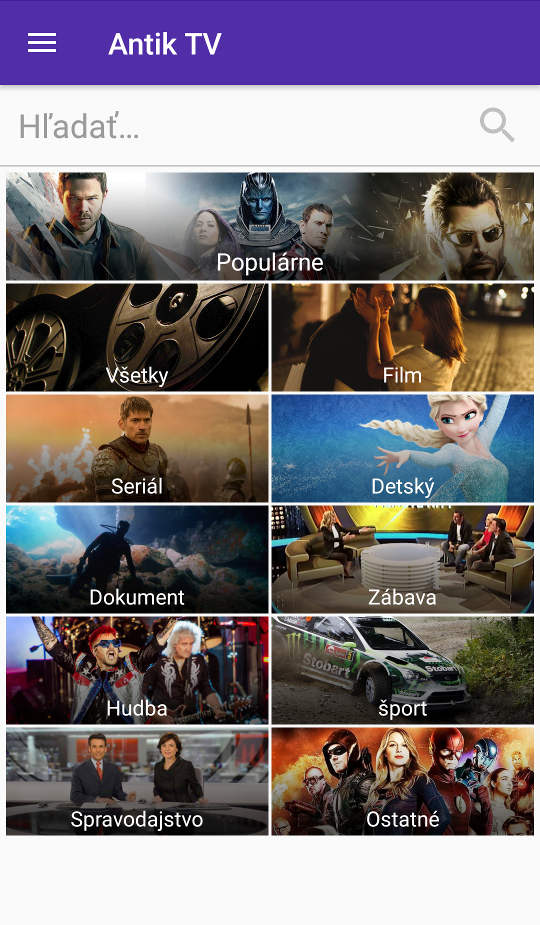
Pomocou triedenia podľa žánru nájdete archivovanú reláciu aj bez toho, aby ste si pamätali presný názov.
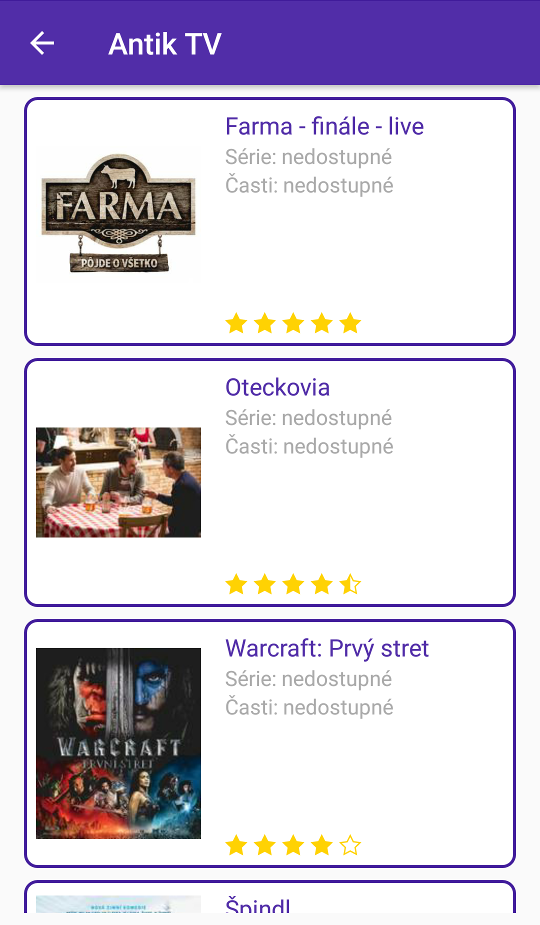
Prehľad starších relácii máte ako na dlani. Už len si vybrať...
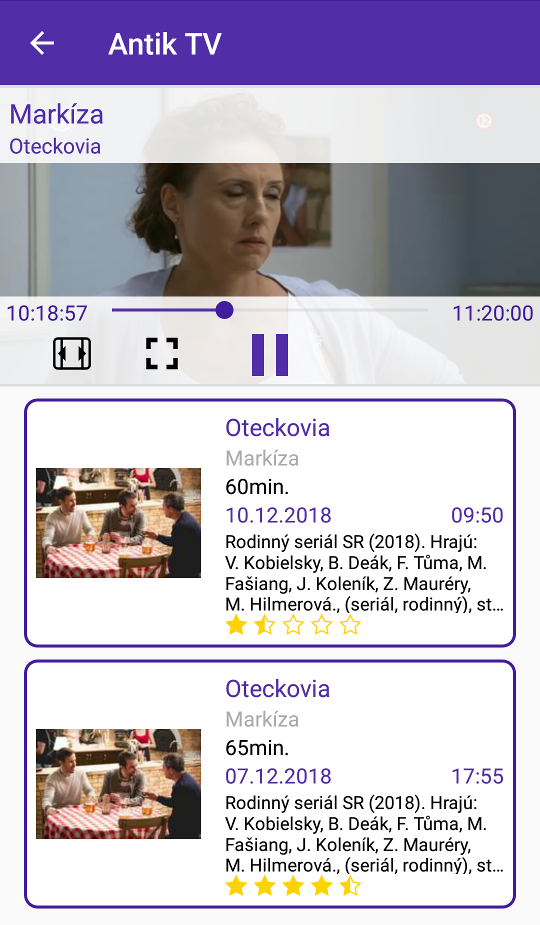
...a môžete nerušene sledovať.
-

Už žiadne hádky o tom, čo budete večer pozerať! Antik TV GO môžete z jedného účtu využívať až na 4 zariadeniach. Aj ostatní členovia Vašej rodiny si teda môžu vychutnávať výhody mobilnej televízie.
Na Vašej rodinnej telke v obývačke môže pokojne ísť celovečerný film, zatiaľ čo budete v spálni na laptope pozerať futbal a v kuchyni si z tabletu pustíte správy. Mobilnú TV môžete teda mať k dispozícii až na štyroch zariadeniach. Mesačný poplatok pritom zaplatíte len jedenkrát. -

Mobilnú aplikáciu môžete využívať na rôznych zariadeniach troch najpopulárnejších platforiem. iOS, Android i Windows.
Aby ste si vo Vašom smartfóne, tablete či osobnom počítači mohli aplikáciu aktivovať, je potrebné, aby Vaše zariadenie spĺňalo nasledovné požiadavky:
Operačný systém Zariadenie Podporovaná verzia OS iOS Tablet min. iOS 9 a vyššie iOS Smartfón min. iOS 9 a vyššie Android Tablet min. 5.0 a vyššie Android Smartfón min. 5.0 a vyššie Windows PC min. 8.1 a vyššie -

Aktivácia mobilnej TV je veľmi rýchla a jednoduchá. Hravo ju zvládnete.
STIAHNUTIE APLIKÁCIE
Stiahnite si aplikáciu pre Vaše zariadenie pomocou príslušného storu (napr. App Store, Google Play, Windows Store). Aplikácia Antik TV je aktuálne dostupná pre tri najrozšírenejšie platformy Android a iOS. Pre využitie v rámci OS Windows je dostupná aplikácia Antik TV GO.INŠTALÁCIA
Nainštalujte stiahnutú aplikáciu do Vášho zariadenia. Postupujte podľa inštrukcií pre dané zariadenie.REGISTRÁCIA
Zaregistrujte sa na stránke www.moj.antik.sk. Po zaregistrovaní je potrebné potvrdiť prihlasovací email. Tým sa aktivuje účet a viete sa prihlásiť v mobilnom zariadení.VYUŽÍVANIE
Aplikácia Antik TV je pripravená na používanie. Pre jej plnohodnotné využívanie je potrebné sa prihlásiť v aplikácii pomocou prihlasovacích údajov, ktoré ste si zvolili na stránke www.moj.antik.sk. -

Aplikáciu si teraz môžete vyskúšať úplne zadarmo vďaka dostupnej skúšobnej verzii.
Stačí si ju bezplatne stiahnuť podľa operačného systému Vášho telefónu alebo tabletu a zažiť výhody mobilnej TV na vlastné oči. Niekoľko minút si môžete vychutnávať celú našu programovú ponuku úplne zadarmo. Ak sa Vám aplikácia zapáčila, jednoducho si zakúpite predplatné. -

AntikTVGo môžete sledovať bez ohľadu na to, kde sa práve nachádzate - doma, na dovolenke či na cestách bez ohľadu na spôsob pripojenia do internetu.
Sledujte televíziu KDEKOĽVEK na to máte chuť
AntikTVGo môžete sledovať bez ohľadu na to, kde sa práve nachádzate - doma, na dovolenke či na cestách bez ohľadu na spôsob pripojenia do internetu. Pokiaľ chcete bez zakúpenia predplatného zistiť, či služba funguje aj vo vašej lokalite, stiahnite si bezplatne našu aplikáciu a otestujte si príjem TV jednoduchým spustením ľubovoľného programu. Ak je všetko v poriadku, predplaťte si balíček podľa Vašich potrieb. -


